
Rising Damp vs Condensation: How to Tell the Difference
Damp problems are a common concern for homeowners, but not all damp is caused by the same issue. Two of the most frequently confused problems are rising damp and condensation. While they can produce similar symptoms, the causes—and the solutions—are very different.
Understanding the difference can help you avoid unnecessary repairs and ensure the correct treatment is carried out.
What Is Rising Damp?
Rising damp occurs when groundwater travels upwards through brickwork and masonry by capillary action. Most modern homes are protected by a damp proof course (DPC), but if this barrier has failed, been damaged or bridged, moisture can move into internal walls.
Although genuine rising damp is less common than many people believe, it can cause serious damage if left untreated. (Rising Damp vs Condensation)
Common Signs of Rising Damp
Typical symptoms include:
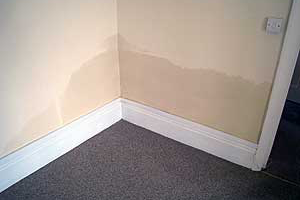
- Damp patches on walls up to around one metre high
- Brown or yellow tide marks
- White salt deposits on plaster or brickwork
- Peeling paint or wallpaper near floor level
- Crumbling plaster
- Rotting skirting boards
These signs usually appear on ground-floor walls and tend to worsen over time.
What Is Condensation?
Condensation is caused when warm, moisture-laden air comes into contact with colder surfaces such as windows, external walls or ceilings. As the air cools, water droplets form, creating damp conditions that encourage mould growth.
Unlike rising damp, condensation is often linked to everyday household activities. (Rising Damp vs Condensation)
Cooking, showering, drying clothes indoors and even breathing all add moisture to the air.
Common Signs of Condensation
You may notice:
- Water droplets on windows
- Black mould around window frames
- Mould in the corners of rooms
- Damp patches on ceilings
- Musty smells
- Excess moisture in bathrooms and kitchens
Condensation is generally worse during the colder months when homes are heated but ventilation is reduced.
Comparing the Two
Although both problems involve excess moisture, there are several important differences.
| Rising Damp | Condensation |
|---|---|
| Starts at ground level | Often appears on cold surfaces |
| Creates tide marks | Creates water droplets |
| Leaves white salts | Encourages black mould |
| Damages plaster near floors | Usually affects walls, ceilings and windows |
| Caused by moisture from the ground | Caused by excess moisture in the air |
Knowing where the symptoms appear is often the first clue to identifying the cause. (Rising Damp vs Condensation)
Why Correct Diagnosis Is So Important
One of the biggest mistakes homeowners make is treating the visible symptoms rather than the underlying problem.
For example:
- Painting over mould without improving ventilation.
- Installing a new damp proof course when the issue is actually condensation.
- Replacing plaster before fixing water ingress. (Rising Damp vs Condensation)
Without identifying the true source of moisture, the problem is likely to return.
A professional damp survey considers the condition of the property as a whole, including external walls, ventilation, roofing, plumbing and moisture levels.
Can Both Problems Exist Together?
Yes.
It is entirely possible for a property to suffer from both rising damp and condensation at the same time. Older homes are particularly susceptible if they have poor ventilation alongside ageing damp proofing.
This is why a full inspection is often recommended before any remedial work begins. (Rising Damp vs Condensation)
How to Reduce Condensation
Simple improvements can make a significant difference:
- Open windows regularly to improve airflow.
- Use extractor fans in kitchens and bathrooms.
- Avoid drying clothes indoors where possible.
- Keep furniture slightly away from external walls.
- Maintain a consistent indoor temperature.
- Consider installing positive input ventilation (PIV) where appropriate.
Reducing humidity helps prevent mould growth and improves indoor air quality.
How Rising Damp Is Treated
If rising damp is confirmed, treatment may include:
- Installing or repairing a damp proof course.
- Removing contaminated plaster.
- Replastering using suitable renovating materials.
- Addressing any external bridging issues.
- Repairing damaged render or pointing where necessary.
Every property is different, so the appropriate treatment should always be based on a detailed survey. (Rising Damp vs Condensation)
When Should You Call a Specialist?
If damp patches continue to spread, mould keeps returning after cleaning, or plaster begins to deteriorate, it’s time to seek professional advice.
An experienced damp specialist can determine whether you’re dealing with rising damp, condensation, penetrating damp or another moisture-related issue, ensuring the correct solution is applied from the outset.
Final Thoughts
Damp is rarely something that improves on its own. The sooner the cause is identified, the easier it is to prevent further damage to your property.
Whether the issue is condensation caused by poor ventilation or genuine rising damp affecting ground-floor walls, obtaining an accurate diagnosis is the first step towards protecting your home and avoiding more costly repairs in the future. (Rising Damp vs Condensation)